
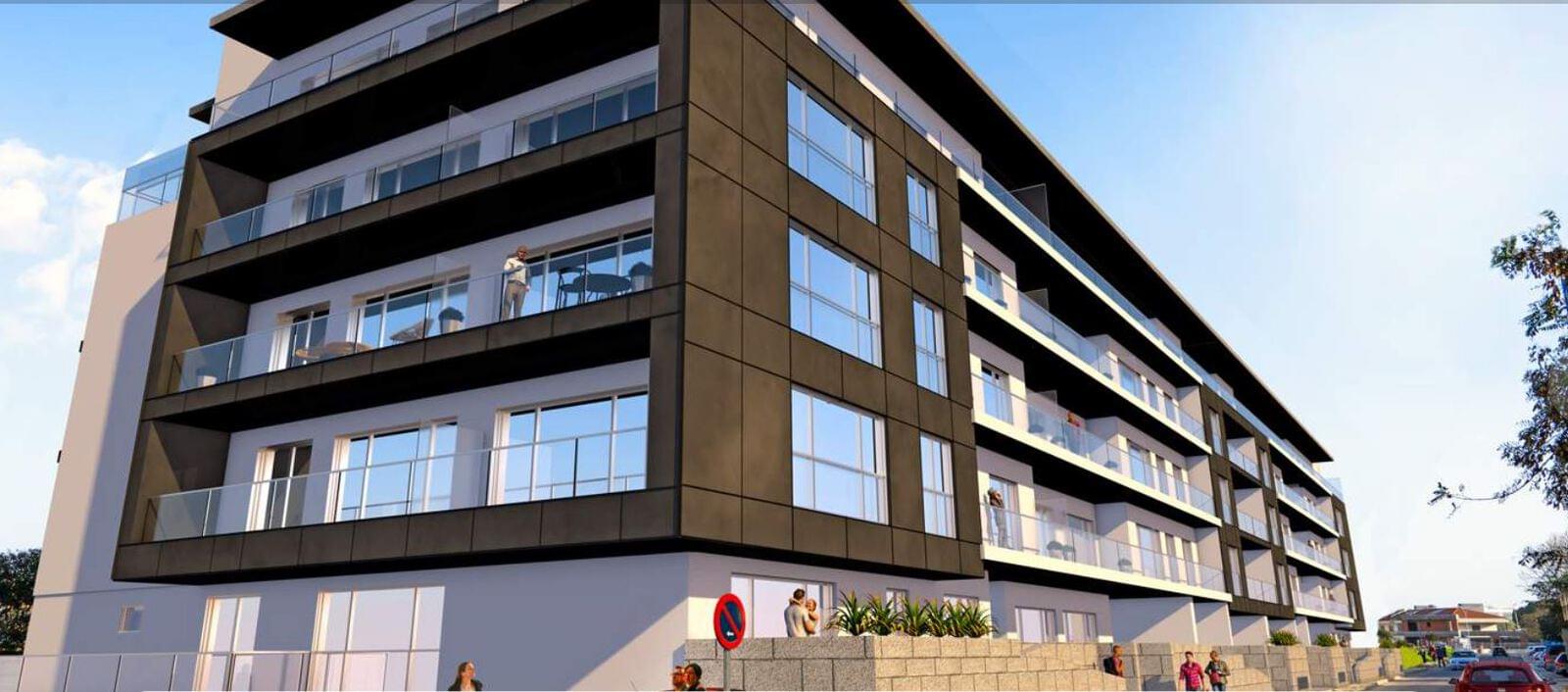
Understanding the intricacies of purchasing a new build property in Portugal in 2026 requires a pragmatic approach, navigating a landscape shaped by evolving market conditions, legal frameworks, and construction practices. This guide aims to demystify the process, providing a comprehensive overview for prospective buyers.
The appeal of a new build property often lies in its contemporary design, energy efficiency, and the promise of a blank canvas unburdened by previous inhabitants’ wear and tear. In Portugal, this allure is amplified by the perceived modernity and adherence to current building codes, offering a contrast to the often charming but sometimes less practical older properties. However, this shiny exterior also presents its own set of considerations.
Advantages of Opting for a New Build
- Modern Construction and Design: New builds typically incorporate contemporary architectural styles and layouts, often prioritizing open-plan living and larger windows for natural light. This can be particularly appealing to buyers accustomed to modern aesthetics in their home countries.
- Energy Efficiency Standards: Portuguese building regulations have become increasingly stringent regarding energy performance. New builds are mandated to meet higher energy efficiency classes (e.g., A or B), leading to lower utility bills and a reduced environmental footprint compared to older properties. This translates directly to long-term savings.
- Reduced Maintenance in the Short Term: A brand-new property generally requires minimal immediate maintenance. You’re unlikely to face unexpected plumbing issues, roof repairs, or outdated electrical systems in the initial years, offering a period of relative peace of mind. Think of it as a freshly tuned engine – it runs smoothly for a while before needing its first service.
- Customization Opportunities: Depending on the stage of construction, buyers may have the opportunity to select finishes, fixtures, and even make minor layout modifications. This personalization can be a significant draw, allowing you to tailor the property to your precise preferences.
- Warranty Protection: New properties come with statutory warranties from the developer, covering structural integrity and defects for a specified period (typically 5 years for structural, 2 years for other defects). This acts as a crucial safety net.
Potential Drawbacks to Consider
- Higher Purchase Price: New builds generally command a premium over comparable resale properties. This is due to the cost of modern materials, labor, and the developer’s profit margins.
- Lack of Established Community: You might be moving into an area still under development, meaning amenities and a sense of community could be nascent. Patience is a virtue here, as infrastructure develops around you.
- Construction Delays and Quality Control: While developers aim for timely completion, delays are not uncommon. Furthermore, construction quality can vary significantly between developers. A thorough due diligence process is paramount to mitigate these risks. This is where the allure of the glossy brochure must meet the reality of concrete and steel.
- “Show Home” Effect: The beautifully staged show homes can sometimes mask the true size or features of a standard unit. Always review floor plans and specifications meticulously, mentally stripping away the designer furniture.
Navigating the Purchase Process in 2026
The legal and logistical steps involved in buying a new build in Portugal are distinct from purchasing a pre-existing property. Understanding these stages is crucial for a smooth transaction.
Reservation and Promissory Contract (Contrato Promessa de Compra e Venda)
- Reservation Agreement: The initial step often involves a non-binding reservation agreement with a small deposit (typically €1,000 – €5,000). This secures the property while further due diligence is conducted. It’s a “first dibs” arrangement.
- Due Diligence Stage: Before signing the promissory contract, it is imperative to engage an independent lawyer to conduct thorough due diligence. This includes verifying the developer’s legitimacy, checking planning permissions, reviewing construction licenses, and ensuring there are no encumbrances on the land. This is your opportunity to look under the hood before committing.
- Promissory Contract (CPCV): This legally binding document outlines the terms of the sale, including the purchase price, payment schedule, completion date, and any agreed-upon specifications or modifications. A substantial deposit (typically 10-30% of the purchase price) is paid upon signing the CPCV. It’s akin to setting the foundation for your new home. Ensure the CPCV includes penalty clauses for both buyer and seller in case of breach. For instance, if the developer fails to complete on time, you should be entitled to compensation. Conversely, if you pull out without cause, you forfeit your deposit.
Construction and Payment Milestones
- Payment Schedule: New build purchases generally involve a staged payment schedule, tied to specific construction milestones (e.g., foundation laid, roof on, finishes complete). This allows you to track progress and ensures your funds are disbursed as the property takes shape. Each payment acts as a verification point.
- Monitoring Progress: It’s advisable to regularly visit the construction site or arrange for your representative (e.g., lawyer or project manager) to do so. Documenting progress with photographs can be beneficial, particularly if disputes arise regarding quality or delays.
- Quality Control During Construction: While the developer has a legal obligation to build to standard, proactive monitoring can prevent minor issues from becoming major problems later. If you have chosen specific finishes, ensure they are correctly installed at the appropriate stages.
Completion and Handover (Escritura)
- Final Inspection (Vistoria): Before the final payment and signing of the deed, a thorough final inspection (often called a “vistoria”) is conducted. This is your last chance to identify any defects or snags requiring rectification by the developer. This is not a casual stroll; it’s a forensic examination. Create a detailed snag list, no matter how minor the issue.
- Licença de Utilização (Usage License): The property cannot be legally occupied until the municipality issues the “Licença de Utilização,” certifying that the building complies with all planning and safety regulations. This document is non-negotiable.
- Public Deed (Escritura Pública de Compra e Venda): The final stage involves signing the public deed of sale at a notary’s office. At this point, the remaining balance of the purchase price is paid, and ownership is legally transferred. The notary will register the property in your name with the Conservatória do Registo Predial (Land Registry).
Financial Considerations and Taxation

Understanding the financial landscape is critical, as several taxes and fees are inherent to property acquisition in Portugal.
Initial Costs and Taxes
- IMT (Imposto Municipal sobre as Transmissões Onerosas de Imóveis): This is a municipal transfer tax, calculated on a sliding scale based on the property’s value. For residential properties, rates can range from 0% to 7.5% for permanent residences and up to 6.5% for secondary homes, with specific bands for primary residents. There are also exemptions for properties below a certain threshold.
- IS (Imposto do Selo): A stamp duty levied at a flat rate of 0.8% of the purchase price.
- Notary and Registration Fees: These cover the costs associated with drawing up and registering the public deed. Expect these to be around 1-1.5% of the purchase price.
- Legal Fees: Engaging a lawyer is highly recommended. Legal fees typically range from 0.5% to 1.5% of the purchase price, plus VAT.
- Utility Connections: Initial connection fees for water, electricity, gas, and internet are typically borne by the buyer.
Ongoing Costs
- IMI (Imposto Municipal sobre Imóveis): An annual municipal property tax levied by the local council. It varies by municipality and property type, generally ranging from 0.3% to 0.45% of the property’s rateable value (Valor Patrimonial Tributário).
- Condominium Fees (if applicable): For apartments or properties within a condominium, regular fees are payable to cover maintenance of communal areas, landscaping, and shared utilities.
- Utilities: Monthly bills for electricity, water, gas, and internet.
- Insurance: Property insurance is mandatory, particularly if you have a mortgage.
Choosing the Right Developer and Location

The developer you choose is arguably as important as the property itself. Their track record is a crystal ball into your potential experience.
Developer Due Diligence
- Reputation and Track Record: Research the developer’s previous projects. Visit completed developments if possible and speak to existing residents. Online reviews and local real estate forums can also offer valuable insights. A solid reputation is your best shield.
- Financial Stability: Ensure the developer is financially sound. Your lawyer can conduct checks to ascertain their solvency. A developer collapsing mid-project can create significant complications.
- Previous Project Quality: Inspect the quality of their past work. Look for attention to detail in finishes, the absence of recurring defects, and overall build robustness.
- After-Sales Service: Enquire about their after-sales support and warranty procedures. How responsive are they to reported issues post-handover?
Location Considerations for New Builds
- Future Development Plans: Research the municipality’s urban development plans. Will new roads, commercial centers, or other amenities be constructed nearby? Conversely, will inconvenient industrial zones or noisy infrastructure be built in the vicinity?
- Infrastructure and Amenities: While new builds often promise proximity to amenities, assess what currently exists and what is merely planned. Don’t buy on the promise of a future supermarket; verify it or adjust your expectations.
- Accessibility and Transport Links: Consider ease of access to major roads, public transport, and airports, especially if you intend to use the property as a holiday home.
- Resale Potential: While you’re buying new, consider future resale value. Locations with strong demand and good infrastructure tend to maintain or increase their value over time.
If you’re considering purchasing a new build property in Portugal in 2026, you might find it helpful to explore the intricacies of real estate transactions in the country. A related article that delves into the transfer of position in real estate can provide valuable insights into the process. You can read more about this topic in the article on transfer of position in real estate, which offers practical examples that could enhance your understanding of the legal and procedural aspects involved.
Post-Purchase and Integration
| Step | Description | Typical Timeline | Key Considerations | Estimated Costs |
|---|---|---|---|---|
| 1. Research & Selection (use a a real estate agent) | Identify new build developments and select preferred property. | 1-2 months | Location, developer reputation, amenities, future growth potential. | None (initial stage) |
| 2. Reservation | Pay reservation fee to secure the property. | 1 week | Reservation fee usually is-refundable; check contract terms. | Typically 1,000€ – 5,000€ |
| 3. Promissory Contract (Contrato de Promessa de Compra e Venda) | Sign preliminary contract outlining terms and payment schedule. | 2-4 weeks after reservation | Legal advice recommended; contract must specify delivery date and penalties. | 10-30% of property price (including reservation fee) |
| 4. Construction Phase | Developer builds the property; buyer may visit site periodically. | 18-24 months | Monitor progress; ensure compliance with contract timelines. | Progress payments as per contract |
| 5. Final Payment & Deed Signing (Escritura) | Complete payment and sign the public deed at a notary. | Upon completion of construction | Confirm all payments made; check property condition before signing. | Remaining balance + notary and registration fees (~1-2%) |
| 6. Registration & Taxes | Register property with Land Registry and pay applicable taxes. | Within 60 days of deed signing | IMT (property transfer tax) | VAT (6-8%) + Stamp duty (~0.8%) |
| 7. Handover & Warranty Period | Receive keys and begin warranty period for defects. | Immediately after deed signing | Warranty covers structural defects for 5 years; report issues promptly. | None (covered by developer) |
The excitement of snagging the keys gives way to the practicalities of settling in.
Utilities and Services Activation
- Electricity, Water, Gas: You will need to register with utility providers (e.g., EDP for electricity, local council for water). This typically requires your Tax Identification Number (NIF) and the property’s usage license.
- Internet and Telecoms: Arrange for internet and television services. Portugal has a competitive market with several providers.
- Waste Collection: Familiarize yourself with local waste collection schedules and recycling practices.
Legal Requirements for Residents (if applicable)
- Residency and Visas: If you are not an EU citizen, ensure your visa and residency status are in order.
- Fiscal Residency: Understand the implications of becoming a fiscal resident in Portugal, particularly regarding taxation on worldwide income. Seeking advice from a tax advisor is highly recommended to navigate the complexities, especially concerning schemes like the Non-Habitual Resident (NHR) status (which is sunsetting but still relevant for certain applicants).
By approaching the purchase of a new build property in Portugal in 2026 with diligence, realistic expectations, and professional guidance, you can transform the promise of a modern home into a tangible reality. The journey is multifaceted, but with each step clearly understood, the path to your new Portuguese property becomes significantly smoother. Your future home is a mosaic, and each of these tiles contributes to its strength and beauty.



Join The Discussion