
 de
de 

“Estou a considerar comprar um imóvel de construção nova em Portugal, mas o processo parece um labirinto. Por onde começo e quais são as armadilhas ocultas que preciso de conhecer?” Este sentimento é partilhado por inúmeros compradores, sejam investidores experientes ou quem compra casa pela primeira vez, atraídos pelo dinâmico mercado imobiliário português. O apelo de uma habitação completamente nova, concebida segundo os padrões modernos e livre do desgaste de ocupações anteriores, é inegável. Contudo, compreender as particularidades da construção nova em Portugal requer uma abordagem clara e metódica.
Este guia pretende desmistificar o processo de aquisição de construção nova em Portugal, oferecendo um roteiro tanto para compradores internacionais como nacionais. Vamos clarificar as etapas fundamentais, os enquadramentos regulatórios, as considerações financeiras e a devida diligência essencial, dotando-o do conhecimento necessário para tomar decisões informadas.
O mercado de construção nova em Portugal é dinâmico e diversificado, refletindo a variedade geográfica e o crescimento económico do país. Desde apartamentos de luxo junto ao mar no Algarve até habitações contemporâneas no centro de Lisboa e Porto, e moradias tranquilas na Costa de Prata ou no Alentejo, os novos empreendimentos respondem a um amplo espectro de preferências e orçamentos. Esta expansão é impulsionada pela procura interna e por um robusto afluxo de investimento estrangeiro, apoiado por iniciativas governamentais e pelo atrativo estilo de vida do país.
Particularidades Regionais na Construção Nova
A tipologia e a escala da construção nova em Portugal variam significativamente consoante a região.
- Lisboa e Porto: Estes centros urbanos caracterizam-se tipicamente por edifícios de apartamentos de alta densidade, frequentemente com design arquitetónico inovador e amplas comodidades. Os projetos de reabilitação, onde edifícios históricos são totalmente renovados e convertidos em habitações modernas, também integram o conceito de “construção nova” na perspetiva do comprador, embora com complexidades de licenciamento distintas.
- Algarve: Conhecido pelas moradias de luxo, resorts de golfe e apartamentos de férias, os novos empreendimentos desta região centram-se habitualmente no estilo de vida, nas comodidades e na proximidade às praias.
- Costa de Prata e Centro de Portugal: Estas regiões oferecem uma combinação de moradias isoladas, moradias em banda e pequenos condomínios, frequentemente a preços mais acessíveis do que as grandes cidades ou o Algarve.
- Alentejo: Terrenos mais amplos e construções novas de maior dimensão, frequentemente com preocupações ecológicas, são característicos desta região rural, apelando a quem procura espaço e tranquilidade.
O Apelo de uma Habitação Nova
As vantagens de adquirir construção nova em Portugal são múltiplas. Para além do óbvio apelo estético, estes imóveis apresentam frequentemente uma eficiência energética superior, cumprindo as mais recentes regulamentações ambientais. Isto traduz-se em faturas de serviços mais baixas e numa pegada de carbono reduzida.
Navegar no Processo de Compra: Guia Passo a Passo
O processo de aquisição de construção nova em Portugal assemelha-se, em alguns aspetos, à compra de um imóvel de revenda, mas com etapas e considerações distintas que o comprador deve compreender plenamente.
Fase de Pré-Construção: A Fase de Projeto
Antes de se iniciar qualquer obra, os promotores desenvolvem um longo processo de planeamento, licenciamento e obtenção de financiamento. Como comprador potencial, esta fase requer investigação aprofundada.
- Identificação do Promotor: Investigue o historial do promotor, os projetos anteriores concluídos e a sua reputação no mercado. Consulte registos públicos e, se possível, fale com compradores anteriores.
- Revisão do Projeto: Analise cuidadosamente as plantas, os materiais de acabamento e as especificações técnicas. Compreenda o que está incluído e o que pode ser personalizado.
- Enquadramento Legal: O seu advogado deve verificar o alvará de construção (licença de construção), a certidão do registo predial e quaisquer ónus ou encargos sobre o terreno.
- Contrato de Reserva: Um acordo inicial, normalmente não vinculativo, que reserva o imóvel mediante o pagamento de um sinal (geralmente entre 5.000€ e 20.000€). Este montante pode ser recuperável se a venda não avançar por motivos imputáveis ao promotor.
Fase de Construção: Da Fundação ao Acabamento
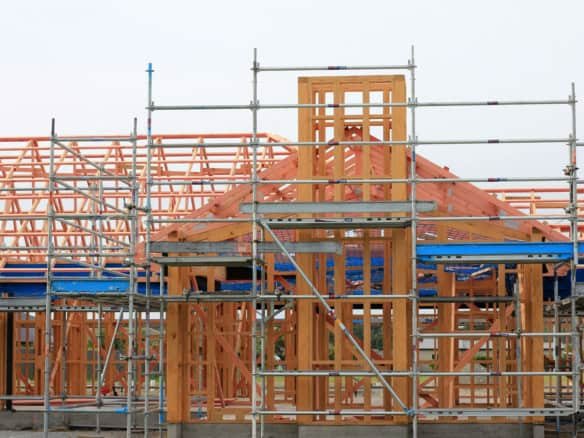
É aqui que o imóvel escolhido ganha vida, um período dinâmico que exige vigilância e comunicação clara.
- CPCV (Contrato-Promessa de Compra e Venda): Este é o contrato vinculativo celebrado normalmente após a reserva e antes da escritura definitiva. Estipula o preço, as datas de conclusão, o plano de pagamentos e as penalizações por incumprimento. A sua revisão por um advogado especializado é absolutamente essencial.
- Plano de Pagamentos: As compras de construção nova implicam geralmente um plano de pagamentos faseado, ligado a marcos específicos da construção (fundações, estrutura, cobertura, acabamentos). Certifique-se de que compreende e consegue cumprir estes calendários.
- Visitas à Obra: Muitos promotores permitem visitas regulares à obra. Aproveite esta oportunidade para acompanhar o progresso e levantar dúvidas atempadamente.
- Alterações e Personalização: Se acordou personalizações, documente tudo por escrito com datas e custos. Qualquer alteração ao projeto original deve ser formalizada por escrito.
Fase de Conclusão: Entrega e Pós-Venda
A etapa final implica verificações minuciosas e a transferência de propriedade.
- Lista de Anomalias (Snagging List): Antes de assinar a escritura final, realize uma vistoria completa ao imóvel. Documente todos os defeitos, problemas de acabamento ou discrepâncias face às especificações acordadas. O promotor tem a obrigação de os corrigir.
- Licença de Utilização: Este documento oficial, emitido pela câmara municipal, confirma que a construção cumpre todos os requisitos legais e de segurança. Nunca assine a escritura final sem que esta licença esteja formalmente emitida.
- Escritura Pública: A transferência formal de propriedade é efetuada perante notário. O preço remanescente é pago e as chaves entregues.
Considerações Financeiras e Jurídicas

Impostos e Encargos
O custo total de aquisição de construção nova em Portugal vai além do preço anunciado.
- IMT (Imposto Municipal sobre as Transmissões Onerosas de Imóveis): Imposto de transmissão municipal calculado sobre o valor de compra ou o valor patrimonial tributário, consoante o que for mais elevado. As taxas variam entre 0% e 8%, dependendo do valor e da finalidade (habitação própria permanente, habitação secundária ou investimento). Habitações próprias permanentes com valores até determinados limiares beneficiam de isenções ou taxas reduzidas.
- Imposto de Selo: Uma taxa de 0,8% aplicada ao valor de compra.
- Honorários de Notário e de Registo: Custos associados à escritura notarial e ao registo na conservatória do registo predial. Normalmente rondam entre 1.000€ e 2.500€, dependendo da complexidade.
- Honorários de Advogado: Geralmente entre 1% e 2% do preço de compra, embora muitos advogados cobrem honorários fixos. Trata-se de um investimento indispensável.
- IMI (Imposto Municipal sobre Imóveis): O imposto municipal anual sobre imóveis, a pagar após a conclusão. As taxas variam consoante o município.
Obtenção de Financiamento
Muitos compradores de construção nova em Portugal necessitam de recorrer a financiamento bancário.
- Mercado Hipotecário Português: Tanto bancos nacionais como internacionais operam em Portugal. As condições variam significativamente, pelo que vale a pena consultar um intermediário de crédito independente.
- Aprovação de Crédito com Imóvel em Construção: Obter aprovação de crédito para um imóvel que ainda está em construção pode ser mais complexo. Alguns bancos emitem aprovações de princípio (pré-aprovação) numa fase inicial, mas a aprovação definitiva ocorre normalmente próximo da conclusão. Confirme esta questão com o seu banco.
- Avaliação do Imóvel: O banco solicitará uma avaliação, que pode diferir do preço de compra acordado. Isto pode afetar o montante do empréstimo disponível.
O Papel do Seu Advogado
Um advogado independente especializado em direito imobiliário português não é um luxo — é uma necessidade. Protege os seus interesses e orienta-o ao longo de todo o processo.
- Due Diligence: Verifica a titularidade do imóvel, identifica ónus ou encargos, e confirma que o promotor possui as licenças necessárias.
- Revisão de Contratos: Analisa e negoceia os termos do contrato de reserva, do CPCV e da escritura final.
- Representação: Pode atuar em seu nome junto de notários, câmaras municipais e outras entidades, muitas vezes através de procuração, o que simplifica o processo para compradores não residentes.
Como Evitar os Erros Mais Comuns

Atrasos na Conclusão
Os atrasos na construção são uma realidade frequente. Embora o CPCV deva estipular uma data de conclusão e penalizações por atrasos significativos, é importante estar preparado para eventuais postergações e compreender os seus direitos contratuais em caso de incumprimento do promotor.
Solvabilidade do Promotor
A saúde financeira do promotor é fundamental. O seu advogado deve realizar verificações para confirmar a sua estabilidade, especialmente em empresas de menor dimensão ou menos estabelecidas. Um promotor em dificuldades financeiras pode comprometer a conclusão do projeto.
Discrepâncias na Qualidade e Acabamentos
O apartamento de modelo ou as imagens de renderização podem ser muito persuasivos. Certifique-se de que as especificações no contrato correspondem exatamente às suas expectativas. Inclua uma lista detalhada de materiais e acabamentos no CPCV.
Ausência de Licença de Utilização
Como referido, a Licença de Utilização é essencial. Nunca assine a escritura final nem efetue o pagamento final sem que este documento esteja formalmente emitido. Sem ele, o imóvel não pode ser legalmente habitado.
Perspetiva de Longo Prazo: Integração e Comunidade
| Aspeto | O que considerar |
|---|---|
| Comunidade de Condóminos | Em condomínios, haverá uma assembleia de condóminos. Compreenda as quotas de condomínio e as regras antes de comprar. |
| Espaços Comuns | Jardins, piscinas e ginásios partilhados implicam custos de manutenção contínuos e regras de utilização. |
| Integração Local | Pesquise os serviços locais (escolas, saúde, transportes) e envolva-se com a comunidade. |
| Valorização do Imóvel | Considere o potencial de valorização a longo prazo com base nos planos de desenvolvimento urbano da zona. |
Após a Entrega das Chaves
Assim que se mudar, não se esqueça das questões práticas.
- Ligação de Serviços: Configuração de eletricidade, água, gás e internet. O seu advogado ou gestor de propriedade pode ajudar a coordenar estas ações.
- Seguro: É obrigatório ter seguro multirrisco ao nível do edifício. Considere também contratar um seguro de recheio.
- Registo Fiscal: Certifique-se de que está devidamente registado nas autoridades fiscais portuguesas (Autoridade Tributária) e que o seu número de contribuinte (NIF) está correto.
Construa o Seu Futuro em Portugal
A jornada para adquirir construção nova em Portugal é entusiasmante, oferecendo a perspetiva de uma habitação moderna e personalizada num país de renome internacional pela sua qualidade de vida, segurança e riqueza cultural. Com a devida preparação, o apoio jurídico adequado e uma abordagem metódica, o processo pode ser recompensador e relativamente simples.
A construcaonova.pt está aqui para o apoiar em cada etapa, desde a descoberta dos melhores empreendimentos até à conclusão bem-sucedida da sua compra. Explore a nossa plataforma para encontrar o imóvel novo ideal em Portugal.


Junte-se à discussão